Everyone knows that breakfast is the most important meal of the day because it ends a fast after a night of sleep. It can help you start your day off right by giving you energy and keeping you full. However, only a few of us follow through. Skipping breakfast may appear to be a quick way to save time in the morning rush, but doing so on a regular basis can be dangerous to health.
Your body needs food that increases energy when you wake up to help your muscles, which have been metabolizing protein. In order to fuel your body, support your muscles, and keep you satisfied, you need a breakfast high in protein
A meal containing at least 30g of protein does this by improving muscle health and weight loss by boosting muscle mass, energy expenditure (calories burned), satiety hormones, glucose management, and lowering the desire to eat junk food.
Why Protein in Breakfast?
Protein is a vital nutrient for the human body and a component of body tissue that serves as a fuel source.
As a fuel, proteins have the same energy density as carbohydrates: 4 kcal per gram. It is present in every cell of the human body and is required in your diet to assist in cell repair and regeneration. Protein is also involved in the production of antibodies that fight infections and illnesses, as well as cell maintenance and regeneration.
We must consume protein on a daily basis. To maintain muscle mass and reduce hunger, you need to spread protein consumption throughout the day.
However, eating protein only at lunch and dinner isn’t the healthiest course of action. In fact, according to a study, consuming a sufficient amount of protein at each meal is essential for maximizing muscle protein synthesis.
You’re missing out if you don’t prioritize protein at breakfast. A breakfast high in protein helps maintain muscular health, control blood sugar levels, and support satiety hormones. By taking this one little step, you can reduce snacking and maintain a constant level of energy throughout the day.
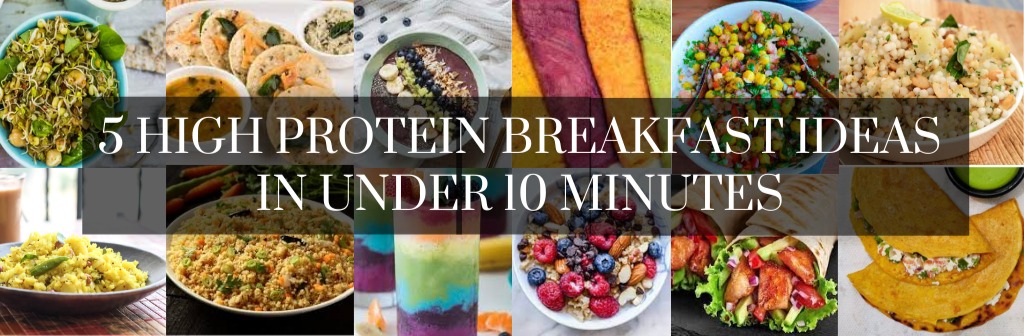
5 High Protein Breakfast Recipes That Will Keep You Going All Day
1. Mango Cherry Smoothie
Ingredients
- Unsweetened almond milk- 1 cup
- Frozen cherries- ¾ cup
- Yogurt- ½ cup
- Mango chunks, frozen – ½ cup
- Peanut butter- 1½ tbsp
- Vanilla extract- ¼ tsp
Method
- Combine all of the ingredients in a blender.
- Blend for 30 seconds on high, or until smooth. If necessary, add more milk to achieve the desired consistency.
- Garnish with chia seeds and serve immediately.
2. Oats Chilla with Paneer stuffing
Ingredients for Chilla
- Quick-cooking oats- ½ cup
- Besan (gram flour) – ½ cup
- Onion, finely chopped – ¼ cup
- Tomatoes, finely chopped- 1 small
- Ginger, chopped- ½ inch
- Green chilli, chopped- 1
- Coriander leaves, chopped – ¼ cup
- Cumin seeds – ¼ tsp
- Kashmiri red chilli powder- ¼ tsp
- Turmeric powder- ¼ tsp
- Water – add as required
- Salt to taste
- Oil as required
Ingredients for the Filling
- Paneer, grated- 1 cup
- Onion, finely chopped- ½ cup
- Tomatoes finely chopped- ½ cup
- Green chilli, chopped- 1
- Chaat Masala Powder, for seasoning- 1 tsp
- Salt to taste
- Coriander leaves, finely chopped
Method
- Take ½ cup quick-cooking oats in a mixer or grinder and grind to a fine powder. Put this in a bowl and add 1/2 cup besan.
- Add the rest of the ingredients except oil and water.
- Pour approx 2/3 to 3/4 cup water and using a whisker, combine the ingredients. If the batter appears too thick, add 1 to 3 tbsp more water. The amount of water added will vary depending on the quality and texture of the besan and oats.
- In the batter, whisk until it is smooth and free of lumps.
- Combine all of the paneer filling ingredients in a mixing bowl and set aside.
- Heat a Tawa or a flat pan over a low flame, then brush with oil. Allow the pan to heat up. Then, using a ladle, pour the batter into the pan.
- Spread the chilla lightly and gently so that it does not break.
- Cook the oats cheela until the base turns light golden. Then flip.
- Cook the other side of the oats cheela now.
- Cook until the oats besan cheela has golden spots.
- Fold in the paneer stuffing and serve right away.
3. Sprouted Moong Dal Veggie Appe
Ingredients
- Moong sprouts- 1 cup
- Poha, soaked- ½ cup
- Green chillies, chopped- 2
- Garlic- 3-4 pods
- Ginger, chopped- 1 tbsp
- Onion, chopped- 1
- Carrot, grated- 1
- Chopped coriander leaves- 4 tbsp
- Ajwain- 1/2 tsp
- Hing- 1/4 tsp (optional)
- Salt as per taste
- Eno- 1/2 tsp
Method
- In a blender, combine sprouted moong, soaked poha chillies, and ginger to make a thick paste.
- Transfer to a large mixing bowl and whisk in the remaining ingredients and vegetables.
- Heat ¼ tsp oil in an appe mold over medium heat.
- Fill each mold with 1 tbsp batter.
- Cook, using ¼ tsp oil, until the lower surface is golden brown, then turn each appe upside down with a fork to cook from the other side with a little oil.
4. Egg And Veggie Breakfast Bowl
Ingredients
- Egg, medium- 1
- Mushrooms, chopped- 2
- Spinach, thinly sliced- 4 tbsp
- Cherry tomato, sliced- 1
- Onion, diced- 1
- Mozzarella cheese, shredded- 2 tbsp
- Salt to taste
- Black pepper- ½ tsp
Method
- Apply oil or cooking spray to a cup.
- Using a fork, combine the egg, spinach, onions, and mushrooms.
- Whisk in the salt and black pepper for a minute
- Microwave for 30 seconds, then stir and re-microwave for another 30 to 45 seconds, or until the egg is almost set.
- Sprinkle with the cheese and tomatoes and serve immediately.
5. Creamy Eggs On Toast
Ingredients
- Eggs, hard-boiled- 4
- Whole wheat bread, toasted- 2 slices
- Sandwich spread- 1 tbsp
- Chaat masala- 1 tbsp
- Low-fat mayo – 1 tsp (optional)
- Salt as per taste
- Black pepper- ¼ tsp
- Oregano – ½ tsp
- Chilli flakes- ½ tsp
Method
- Separate the egg whites and yolks
- Mash all of the yolks in a bowl with a spoon
- Add sandwich spread and all of the spices and mix well.
- To the bowl, add the chopped egg whites.
- Take two slices of toast and spread the mixture on them.
Some Other High Protein Breakfast Options are:
Here are some suggestions for those unsure about what to include and what to avoid for breakfast. However, before making any significant dietary changes, it is always advisable to consult with a dietician. Furthermore, it’s essential to combine regular exercise with a healthy diet.
Eggs
Eggs are among the most nutrient-dense foods. They’re a great source of vitamins, minerals, healthy fats, and antioxidants, as well as a good source of easily absorbed protein.
One large egg (55 gm) contains 6gms of protein, 0.6gms of carbs, 5gms of fats, Vitamin B12, vitamin B6, vitamin D, phosphorus, calcium, etc.
Lentils
Lentils are an excellent source of plant-based protein, containing 9 grams of protein per 100 grams, making them an excellent choice for vegetarian or vegan diets. They can be used in a variety of dishes, ranging from fresh salads to soups and dals. Lentils are also high in fibre, with one cup providing 15.6 grams.
100 gm of lentil also contains 9gms of protein, 20gms of carbs, 0.4gms of fats, Iron, Zinc etc.
They also contain a high concentration of antioxidants that are beneficial to your health.
Beans
The majority of bean varieties, including kidney beans, chickpeas, red beans, and others, have a high protein content per serving. Beans can be used in various dishes, including patties, soups, and salads.
100 gm raw beans contain approx. 63gms of carbs, 1.2gms of fats, 21gms of protein, and 16gms of dietary fibre.
Furthermore, a study shows that eating a lot of beans and other legumes can help you lower your cholesterol, and blood pressure, manage your blood sugar, and even lose belly fat.
Paneer
Paneer is to vegetarians what chicken is to non-vegetarians. Paneer’s numerous health benefits can do wonders for your body. It is both delicious and nutritious. It can be used to make wrap stuffings or spread on toast.
A 100-gram serving of paneer contains 21gms of protein, 3.5gms of carbs, 25gms of fats, 714 IU of Vitamin A, 714 mg of Calcium, 27,3 mcg of Folate, and 132 mg of Phosphorus.
Chicken
Chicken is a wonderful choice if you want to enhance your protein consumption. Chicken contains 27gms of protein per 100 grams. It’s a versatile, simple-to-prepare ingredient that goes well in a variety of dishes. It can be added to salads, soups, and stir-fries.
In addition to protein, a 100-gram serving of chicken contains 0gms of carbs, 14gms of fats, 13.7 mg of Niacin, 0.9 mg of Pantothenic acid, and 256 mg of Potassium, 27.6 µg of Selenium, and 29 mg of Magnesium.
Fish
Fish of all kinds are high in protein. For instance, a 100-gram serving of salmon fillet has 22 grams of protein and a 100-gram serving of tuna has 19 grams of protein. You can smoke fish and serve it with whole wheat bread, or you can add it to wraps or sandwiches.
A 100-gram serving of fish also contains 0.08gms of carbs, 0.6gms of fat, 9.9 mg of Niacin, 2.5 µg of Vitamin B12, 47 IU of Vitamin D, 1.67 mg of Iron, 22.7 mg of Magnesium, and 176 mg of Potassium.
Furthermore, fatty fish like salmon and herring are high in omega-3 fats, which have a variety of health benefits, including support for heart health.
Fruits
Fruit for breakfast is an excellent way to begin the day. Fruit, which is high in water, fibre, vitamins, and minerals, is a great addition to protein and carbohydrates for a complete and healthy meal. They’re high in energy, protein, and nutrients, so you won’t go hungry before lunch.
They can be eaten raw, added to a warm bowl of oatmeal, or combined to make smoothies and juices.
A 100-gram serving of fruits contains approx. 4-5gms of protein, 14gms of carbs, 0.2gms of fats, 2.4gms of dietary fibre and other vital nutrients such as Vitamin A, Vitamin C, and E, zinc, magnesium, phosphorous and folic acid.
To Wrap Up
A healthy balance of the three macronutrients—fat, carbs, and protein—should be included in every meal. Instead of eliminating carbs from your diet, incorporate small amounts of high-protein whole grains like amaranth or quinoa, or substitute spiralized zucchini or carrots for pasta and riced cauliflower for white rice. The key to a healthy high-protein breakfast is to choose the right foods and pair them with a well-balanced meal. Your need for between-meal snacks can be decreased by combining your protein source with complex carbs, which can keep you satisfied until lunch.
Keep high-protein snacks on hand for times between meals when you feel hungry. However, a diet high in protein could also be high in fat and cholesterol. As a result, always seek the advice of a dietitian before making any significant dietary adjustments.
-Written & Edited by
Tanya Kathuria & Simran Sood