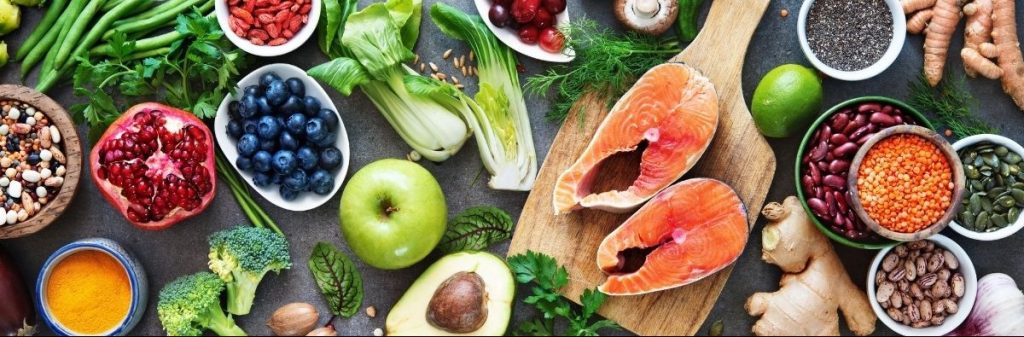
People now are getting closer to getting fit and eating healthy food ever than before. With the availability of various types of diets out there, sadly, there is not one single diet that works for everyone! What could have worked for others might not work for you. A lot of diets that have recently gained popularity are either unhealthy or people who lost weight end up gaining it back a few months later.
I am your health companion, Simran, and will help you know the A-Z of diets available that will help maintain a better relationship with your body and food.
Follow me while I help you understand the different types of diets –
1. Vegan or plant-based diet
“Veganism” has gained popularity recently and before you plan to hop the bandwagon you must know what it truly stands for. A vegan diet is the strictest form of vegetarianism which prohibits the use of animal products for ethical, environmental, or health reasons. It is believed in resistant to animal exploitation and cruelty.
A vegan diet has proven to be effective for people losing weight, usually without counting calories! It is because a usual vegan diet is low in fat and high in fiber which helps you keep full for a longer period.
Not to confuse this with vegetarianism, a vegan diet consists of food alternatives that are dairy/lactose-free like tofu, almond milk, and soy milk and focuses more on raw food items like fruits, vegetables, and nuts.
2. Intermittent fasting
As the name suggests, an intermittent fasting diet keeps your body in a series of fasting and eating between periods. Instead of putting restrictions on what you eat, intermittent fasting helps you control WHEN you eat what you eat making it more of a meal scheduling strategy.
The most popular methods are:
- The 16:8 Method: This includes restricted eating for 8 hours and fasting for 16 hours. Involving skipping breakfast, you consume food between 12-8 pm one day and have the next meal at 12 pm the next day.
- EatStopEat Method: Here you fast for complete 24 hours for one day, and eat normally on the other days.
- 5:2 Diet Method: this one is similar to the eat-stop-eat method, but restricts consuming up to 500 calories on 2 consecutive days and resuming normal eating on other 5 days.
The main ‘hero’ in an intermittent fasting diet is ‘calorie control’. Fasting enables the consumption of fewer calories creating a calorie deficit to lose weight.
3. Ketogenic
Popularly known as the Keto diet, is a low-carb and high-fat diet. It helps lowering blood sugar and insulin levels thereby shifting the body’s metabolism away from carbs toward fat by a process called ketosis.
During this, the body becomes efficient at burning fat turning it into ketones in the liver which supplies energy for the brain.
It is because of this reason; that the keto diet was earlier used for people facing issues such as epilepsy, Alzheimer’s, and diabetes.
It is advised to avoid carb-based foods like grains, sugars, legumes, rice, potatoes, candy, juice, and even most fruits on a keto diet.
4. Gluten/lactose-free diet
It feels as if everyone is ditching dairy and gluten from their diet these days. Unless you have an intolerance to dairy and gluten which has unpleasant side effects, from bloating to indigestion and nutrient deficiencies, it doesn’t necessarily make sense. Cutting down dairy and gluten helps to eliminate two major sources of inflammation and thus helps heal the gut. There are several alternatives for dairy – like soy milk, tofu, and vegan cheese easily available on the market.
5. Mediterranean Diet
This is one more type of diet that suggests a vegetable-heavy diet avoiding a lot of meat, but does not eliminate it altogether. It has been proven to help people with depression, additionally controlling blood sugar levels thus helping in weight loss. This diet suggests using as much oil as possible as an alternative for butter and salad dressings. It also recommends adding vegetables to each meal, favouring fish over chicken, and also using whole grains, nuts, and herbs in large amounts.
6. Paleo
The Paleo diet is a natural way of eating which abandons any intake of sugar. The only sugar source in this diet is fruits. And not just sugar, processed foods, and grains are also excluded. What the paleo diet does is, lowers the intake of carbohydrates which in turn decreases the amount of glucose. This will enable your body system to use fat as its fuel source.
7. Raw food and GM DIET
The two fad diets were once very popular, placing prime importance on eating raw or uncooked/ unprocessed food. It eliminates the intake of food which has been treated with pasteurization or produced with synthetics or additives. What this diet intends to do is create a surge of energy, and decrease any sort of inflammation which lowers the number of carcinogens in the diet.
To Wrap Up
While there are numerous diets coming in with each passing day, there is one rule which remains constant. “Calorie deficit” or calorie count, is and will always be the golden rule when it comes to weight loss. And just like skincare, every diet works differently to each body’s requirements. Don’t go by what’s in trend or what your BFF is following – knowing your body’s nutritive needs and staying healthy should be your prime motive and for the rest, I’m there to guide you! Follow me here and on my Instagram and I’ll simplify diets, workouts, and everything for you.
-Written & Edited by
Simran Sood